High-performance liquid chromatography (HPLC) continues to evolve as analytical demands become more complex and sensitivity requirements increase across pharmaceutical, environmental, life science, and chemical analysis applications. As laboratories push toward lower detection limits, faster run times, and improved reproducibility, attention is shifting beyond column chemistry and instrumentation, and toward the surfaces that samples encounter along the flow path.
From emerging bioanalytical workflows to expanded small-molecule testing, several key trends are shaping how HPLC systems are designed, maintained, and optimized today.
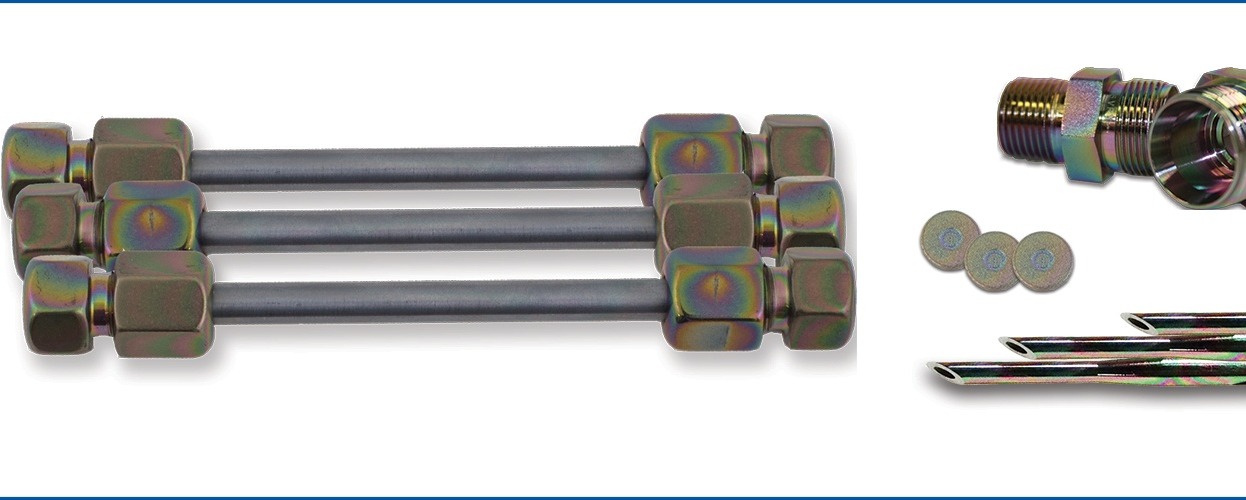
Increasing Focus on Surface Interactions
Modern HPLC methods often involve analytes that are highly reactive, adsorption-prone, or sensitive to trace contamination. Steroids, peptides, acidic compounds, and polar metabolites can interact with exposed metal surfaces, leading to peak tailing, analyte loss, or inconsistent results.
As a result, many labs are moving toward surface-engineered components that reduce unwanted interactions inside pumps, tubing, valves, and sample introduction hardware. Instead of treating surface treatments as an afterthought, surface chemistry is becoming a critical parameter for improving method robustness.
Two distinct surface strategies are gaining traction in the industry:
- Hydrophobic barrier surface treatments that reduce adsorption of nonpolar compounds
- Hydrophilic surfaces that improve wettability and compatibility with polar analytes
Understanding when each surface type is beneficial is becoming an important part of system optimization.
Hydrophobic Surfaces for Nonpolar Analytes
Hydrophobic surface treatments are increasingly used in workflows involving hydrophobic or adsorption-prone molecules. By creating an inert, low-energy surface, these surface treatments can minimize interactions that lead to sample loss or carryover.
For example, Dursan®, a hydrophobic chemical vapor deposition (CVD) surface treatment, is widely used in analytical flow paths where chemical inertness and reduced adsorption are critical. Its silicon-based chemistry forms a barrier that protects stainless steel substrates while helping maintain consistent analyte recovery, particularly useful for compounds that tend to stick to untreated metal surfaces. Dursan is NSF certified and FDA compliant, which is a requirement for many pharmaceutical and biopharmaceutical applications.
SilcoTek's Notak® 2000 surface treatment is our most hydrophobic offering. The Notak 2000 treatment process improves surface repelling properties to resist unwanted build-up of water, ice, sticky hydrocarbons, and other foulants. Unlike our other options, Notak 2000 is a monolayer surface treatment, not a coating with appreciable thickness.
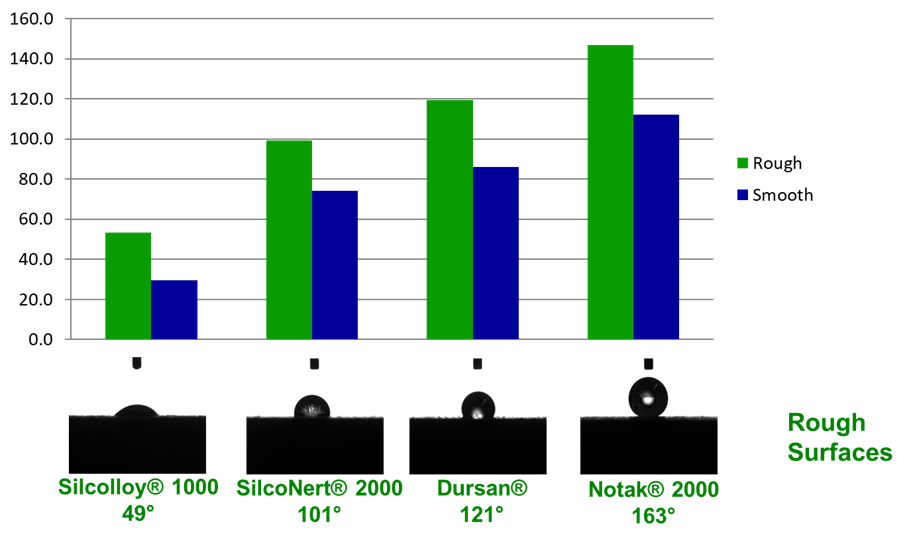
As detection limits continue to drop, hydrophobic surfaces can help maintain signal integrity by reducing background interactions that may otherwise distort results.
The Rise of Hydrophilic Surfaces in Modern HPLC
At the same time, the industry is seeing increased adoption of hydrophilic surface technologies. Many modern applications involve polar molecules, aqueous mobile phases, or biomolecules that benefit from improved wettability and reduced nonspecific binding.
Hydrophilic surface treatments such as Siltride® are gaining attention for their ability to modify surface energy without altering component dimensions. By promoting even wetting and minimizing localized adsorption sites, hydrophilic surfaces can improve reproducibility in sensitive analytical workflows.
In applications involving polar analytes or mixed solvent systems, hydrophilic surface treatments may enhance flow stability and reduce variability - making them a valuable complement to hydrophobic solutions.
Dual-Surface Strategies Are Becoming More Common
Rather than viewing hydrophobic and hydrophilic surface treatments as competing technologies, many HPLC users are beginning to adopt a more strategic approach. Different regions of the flow path may benefit from different surface chemistries depending on analyte behavior and system design.
For example:
- Hydrophobic surfaces may be preferred in areas prone to adsorption of nonpolar compounds.
- Hydrophilic surfaces may improve performance in regions handling aqueous or polar solutions.
This growing awareness reflects a broader industry trend: tailoring surface properties to match application requirements rather than relying solely on traditional stainless steel or inert polymer components.
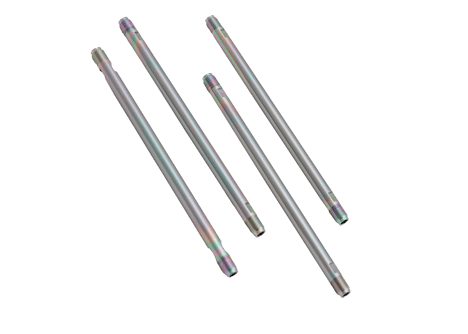
Materials Innovation Supporting Next-Generation HPLC
Beyond surface treatments, the HPLC landscape continues to evolve through advances in ultra-high-pressure systems, smaller particle columns, and automated sample handling technologies. As these systems operate under more demanding conditions, maintaining chemically inert and contamination-resistant surfaces becomes even more important.
CVD surface treatments are increasingly used because they form conformal, pinhole-free barriers that preserve component geometry while improving surface performance. This allows manufacturers and laboratories to enhance existing hardware without sacrificing dimensional tolerances required for precise control.
Looking Ahead
As HPLC workflows become more specialized, surface engineering is expected to play a larger role in achieving reliable, high-sensitivity analysis. The ability to choose between hydrophobic and hydrophilic surface treatments (or combine both strategically) gives scientists new tools to manage adsorption, improve recovery, and extend component lifespan.
Whether optimizing systems for hydrophobic compounds using Dursan or Notak 2000 or improving wettability with hydrophilic Siltride, surface treatments are no longer just protective layers - they are becoming integral design elements in modern analytical instrumentation.
Have questions about your applications? Contact our knowledgeable coating experts today!
Follow Us on Social Media!