When it comes to surface performance, one of the most important but often overlooked factors is how a material interacts with moisture. Whether a surface repels or attracts water can significantly impact corrosion, fouling, analytical accuracy, and overall system reliability.
SilcoTek coatings are engineered to control surface energy, allowing you to tailor surfaces to be either hydrophobic or hydrophilic depending on your application needs.
Understanding the difference is key to selecting the right coating.
What Is a Hydrophobic Surface?
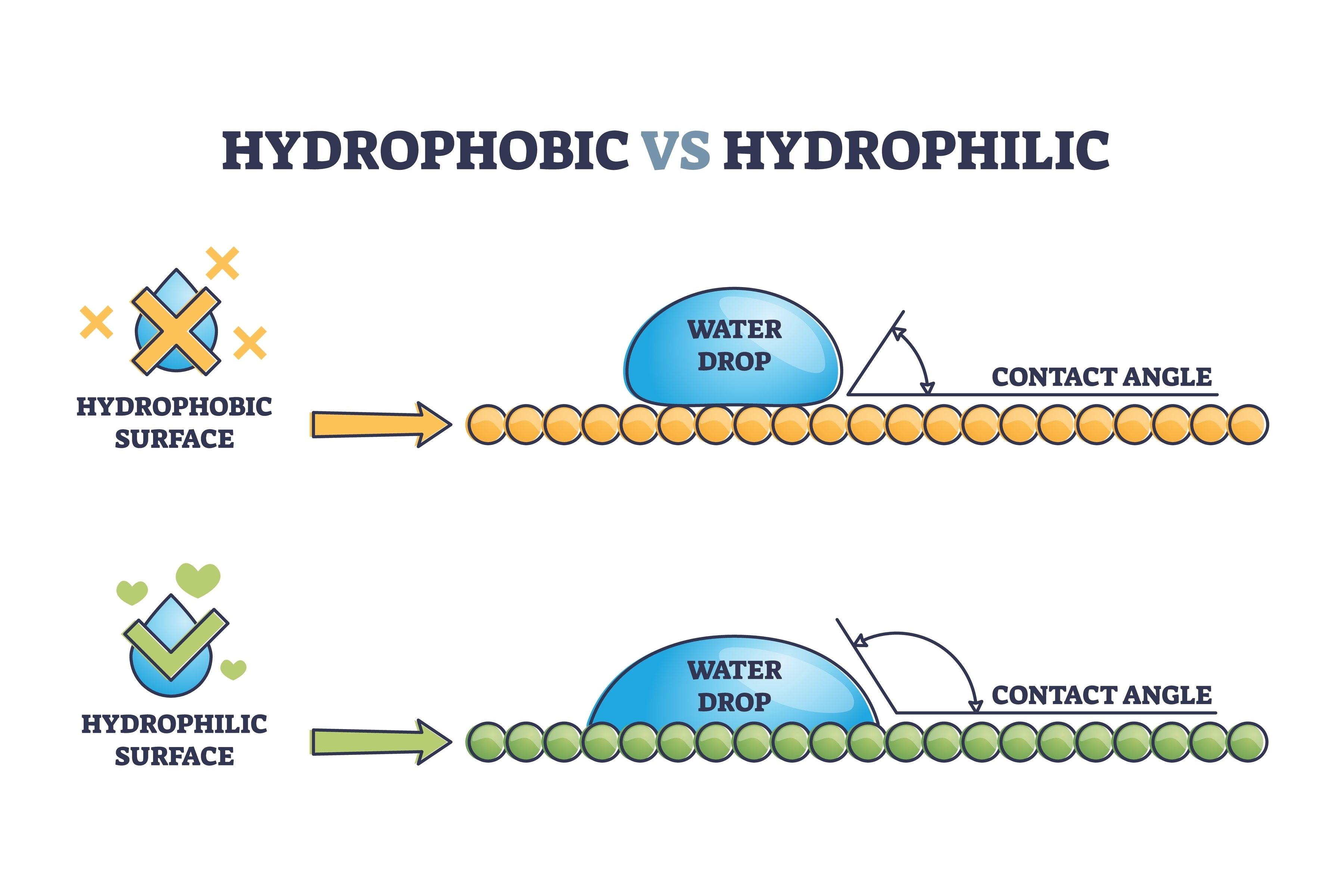
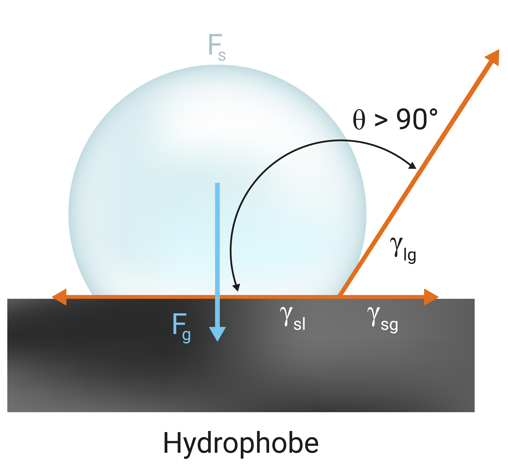
A hydrophobic surface is a low surface energy surface that resists wetting and repels water. This behavior is typically measured using contact angle. When water forms a droplet with a contact angle greater than 90 degrees, the surface is considered hydrophobic.
Instead of spreading out, water beads up and rolls off the surface.
This moisture-repelling behavior provides several important performance benefits. Hydrophobic surfaces reduce moisture adsorption and allow systems to dry more quickly, which helps prevent corrosion, contamination, and analytical errors.
Where Hydrophobic Surfaces Are Used
Hydrophobic coatings are ideal in applications where moisture and surface interaction create problems.
In analytical sampling systems, moisture can lead to inaccurate readings and delayed response times. Hydrophobic surfaces help prevent water from adhering to flow paths, improving measurement reliability in applications like continuous emissions monitoring and gas analysis.
In refining and petrochemical processes, hydrophobic coatings make it easier to purge water from tubing and instrumentation, which is critical for maintaining accurate data during process upsets.
They are also widely used to reduce fouling in condensers and evaporators, prevent icing, and protect against corrosion in moisture-driven environments.
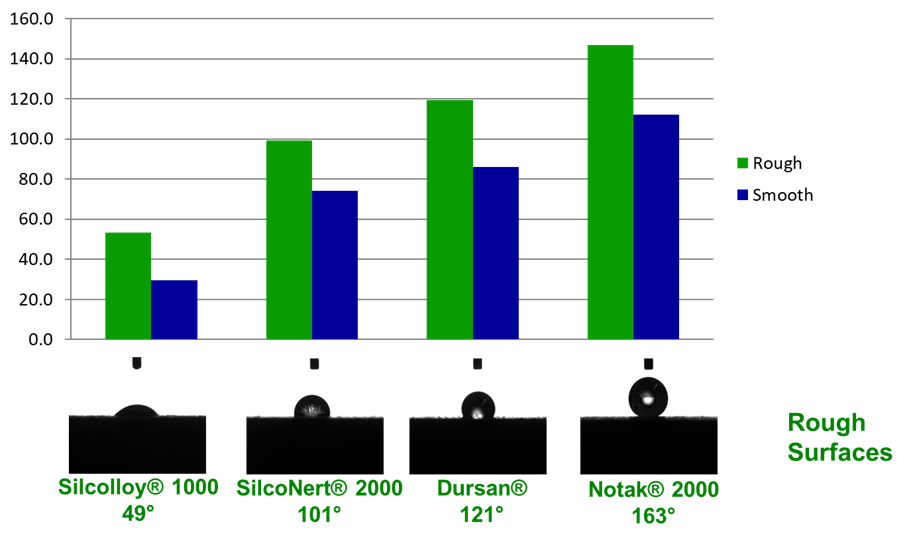
SilcoTek coatings such as Dursan are designed to provide strong hydrophobic performance, making them well suited for applications where keeping water and polar contaminants off the surface is critical.
What Is a Hydrophilic Surface?
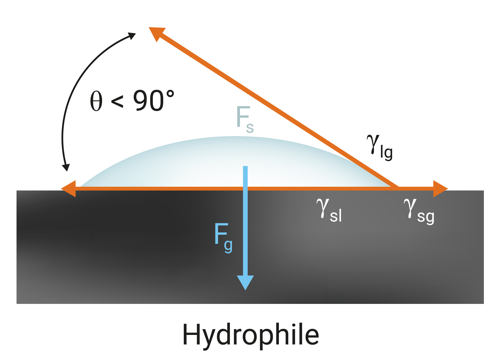
Hydrophilic surfaces behave in the opposite way. They are high surface energy surfaces that attract water and promote wetting, allowing liquids to spread evenly across the surface.
Instead of forming droplets, water creates a thin, continuous film.
This uniform wetting behavior can be beneficial in applications where consistent liquid coverage improves performance.
Where Hydrophilic Surfaces Are Used
Hydrophilic coatings are best suited for applications that rely on controlled interaction with liquids.
In medical diagnostics and HPLC systems, improved wetting can enhance separation performance and reduce variability in results.
Hydrophilic surfaces are also beneficial in heat exchangers and heat transfer equipment, where even liquid distribution improves thermal efficiency.
In filtration and biological systems, hydrophilic behavior can improve surface interaction and compatibility with aqueous solutions, making it easier to handle sensitive samples or biological materials.
SilcoTek’s Siltride coating provides a hydrophilic surface, making it a strong choice for applications where uniform wetting and fluid interaction are essential.
Hydrophobic vs. Hydrophilic: Key Differences
At a high level, the difference comes down to how water behaves on the surface.
Hydrophobic surfaces repel water, minimize contact, and reduce adsorption. Hydrophilic surfaces attract water, promote spreading, and enable consistent interaction.
The right choice depends entirely on your application.
If your goal is to prevent moisture contamination, reduce corrosion, or eliminate adsorption in analytical systems, a hydrophobic coating is typically the best solution.
If your application requires uniform liquid coverage, improved heat transfer, or enhanced interaction with aqueous solutions, a hydrophilic surface is likely the better fit.
Tailoring Surface Performance with SilcoTek Coatings
You don’t need to redesign your system or change materials to control surface behavior. SilcoTek’s CVD coatings allow you to fine-tune surface energy while maintaining the original dimensions and mechanical properties of your components.
From highly hydrophobic coatings like Dursan to hydrophilic options like Siltride, each coating is designed to solve specific challenges related to moisture, contamination, and surface interaction.
Selecting the right surface chemistry allows you to address problems at the source, improving performance, reliability, and long-term durability.
Have questions about coatings for your application? Contact our knowledgeable coating experts today!